
ANTICOAGULANT EFFECT OF TRI BAO HOAN IN AN EXPERIMENTAL THROMBOSIS MODEL
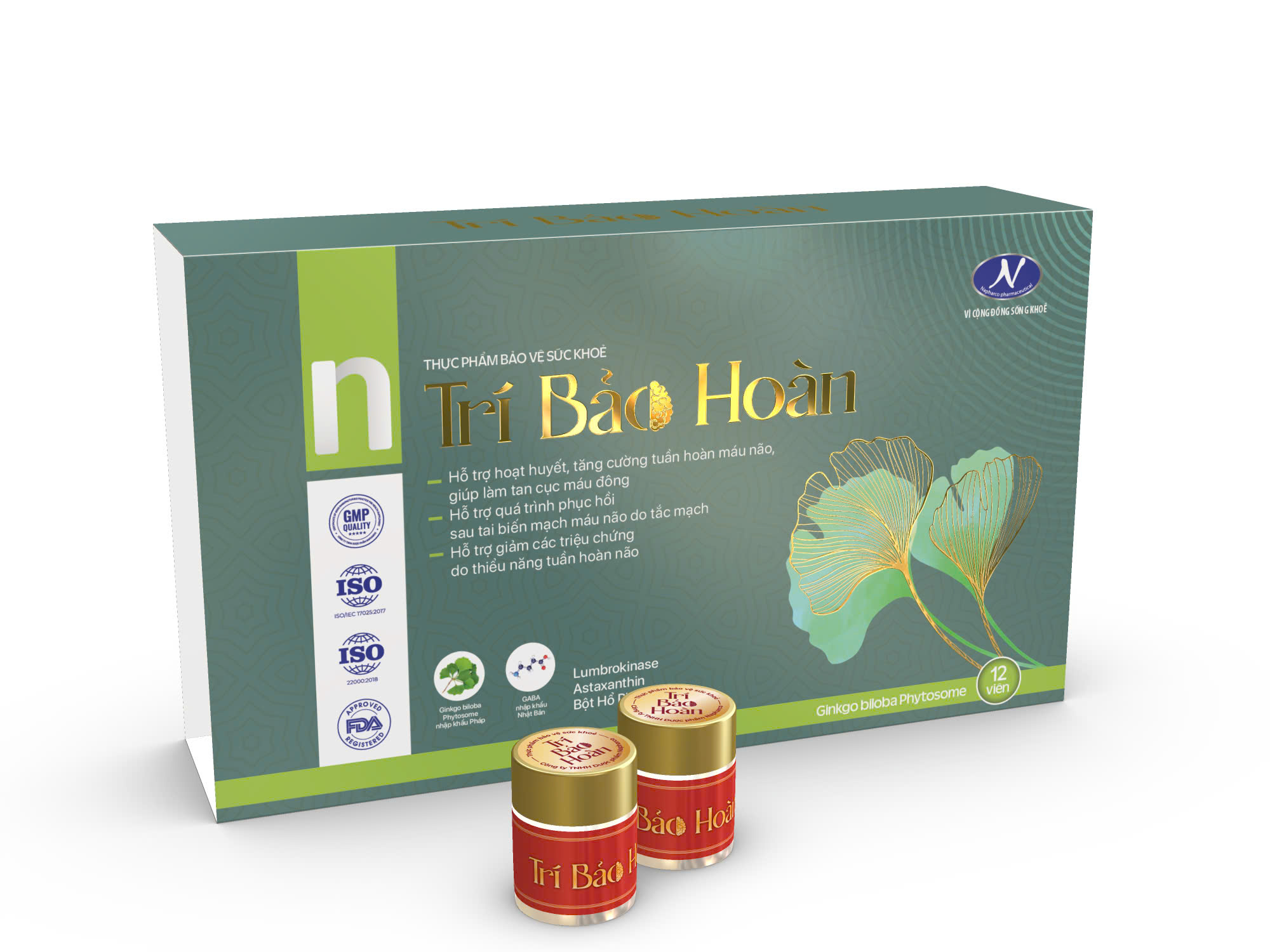
Pham Thi Van Anh¹, Vu Thi Lan², Nguyen Chi Duong², Nguyen Trieu Van², Vu Quang Huy¹ and Nguyen Thi Thanh Loan¹, ¹ Hanoi Medical University² Napharco Pharmaceutical Company Limited The purpose of this study was to evaluate the anticoagulant effects of Tri Bao Hoan in a lipopolysaccharide (LPS)-induced thrombosis model using Wistar rats. Tri Bao Hoan and rivaroxaban were administered orally for seven consecutive days. One hour after the final dose, LPS (3 mg/kg) was injected via the tail vein to induce thrombosis. Blood samples were collected four hours after LPS administration to assess the study parameters. Our findings indicated that Tri Bao Hoan at 0.36 pill/kg/day exerted significant anticoagulant effects by increasing platelet count and fibrinogen concentration, as well as prolonging prothrombin time (PT) and activated partial thromboplastin time (aPTT) compared with the vehicle-treated thrombosis group (p < 0.05). Tri Bao Hoan at 0.12 pill/kg/day did not show statistically significant changes in these parameters (p > 0.05). Regarding biochemical findings, Tri Bao Hoan at 0.36 pill/kg/day significantly reduced serum AST activity in the vehicle-treated thrombosis group (p < 0.05), whereas AST activity, urea and creatinine concentration remained statistically unchanged at both doses (p > 0.05). In conclusion, Tri Bao Hoan at 0.36 pill/kg/day demonstrated a significant anticoagulant effect in Wistar rats with LPS-induced thrombosis. Keywords: Tri Bao Hoan, anticoagulant effect, lipopolysaccharide, Wistar rats. I. Introduction Coagulation is a crucial physiological process that prevents excessive blood loss following vascular injury. This process involves the sequential activation of coagulation factors, ultimately converting soluble fibrinogen into insoluble fibrin. The resulting fibrin network stabilizes the hemostatic plug and supports tissue repair.¹ However, when the coagulation system becomes excessively activated or unbalanced with the body’s regulatory mechanisms, a hypercoagulable state may develop, leading to the formation of thrombus within the blood vessels. Thrombosis refers to the abnormal formation of blood clots that partially or completely obstruct blood flow. Such blockages can cause ischemia and damage to vital organs, such as the heart, brain, lungs, and kidneys, resulting in myocardial infarction, ischaemic stroke, pulmonary embolism, or other serious complications depending on the site of the thrombosis. This condition remains one of the major causes of morbidity and mortality worldwide.² In the treatment and prevention of thrombosis, anticoagulant therapy plays a central role by inhibiting the activation of coagulation factors and preventing the formation of fibrin and thrombi. The main classes of anticoagulants currently in use include heparins, vitamin K antagonists, and novel oral anticoagulants.³⁻⁴ Although these agents are highly effective, they still have several limitations, such as the risk of bleeding, drug–food interactions, the need for regular laboratory monitoring, and high treatment costs. Therefore, the search for safe and effective anticoagulant agents, particularly those derived from natural sources, has become an area of growing scientific interest.⁵ Tri Bao Hoan is formulated as a pill preparation containing main components with anticoagulant potential, including natokinase, lumbrokinase, extract of Ginkgo biloba, Angelica sinensis, and Sophora japonica, along with several other herbs known for their blood-activating and antioxidant properties. These bioactive ingredients have been reported to exhibit anticoagulant activity and reduce the risk of thrombosis through multiple mechanisms.⁶⁻¹⁰ The combination of these anticoagulant components makes Tri Bao Hoan a promising formulation for the prevention of thrombosis. However, no experimental study has yet evaluated its anticoagulant effects. Therefore, this study was conducted to investigate the anticoagulant effect of Tri Bao Hoan using a lipopolysaccharide-induced thrombosis model in rats. II. MATERIALS AND METHODS 1. Subjects Preparation of Test Product The test product used in this study was Tri Bao Hoan, manufactured by Napharco Pharmaceutical Co., Ltd. The formulation is in the pill form (traditional coated pellets). Each pill contains: 1000mg of nattozyme phygic 2100mg of herbal extract (equivalent to: 3000mg of Semen Platycladi orientalis 1000mg of Albizia julibrissin cortex 1000mg of Poria cocos 1000mg of Radix Angelicae sinensis 1000mg of Lycii fructus 1000mg of Radix Rehmanniae glutinosae praeparata 1000mg of Acori tatarinowii rhizoma 500mg of Flos Styphnolobii japonici imaturi 500mg of Nelumbinis plumula 500mg of Glycyrrhizae radix) 300mg of Amber powder 200 FU of Lumbrokinase 120mg of Ginkgo biloba extract 100mg of Gamma-aminobutyric acid 50mg of Magnesium gluconate 20mg of Alpha-lipoic acid 15mg of L-theanine 3.5mg of Vitamin B6 3.5mg of Astaxanthin 5% The product complies with internal quality standards (Certificate of Product Registration No. 3338/2024/DKSP). Batch no.: 03.2025 Manufacturing date: 12 March 2025 Expiry date: 11 March 2028 The intended human dose is one pill daily. Using an interspecies dose conversion factor of 6 for rats, the corresponding experimental dose was 0.12 pill/kg/day in rats. The positive control drug was Rivaroxaban 20mg (Xarelto®, Bayer HealthCare Pharmaceuticals). Both the test product and the reference drug were fully dissolved in distilled water immediately before administration. Experimental animals received the freshly prepared solutions orally via a gavage needle at a dosing volume of 10 mL/kg/day. Instruments and Chemicals Lipopolysaccharides from Escherichia coli O55:B5 (L2880-25MG) were obtained from Sigma-Aldrich (USA). Thromborel® S (containing thromboplastin and calcium) and Dade® Actin® FSL Activated PTT Reagent (containing phospholipids) were purchased from Siemens Healthineers, Germany, and imported by Sysmex Vietnam Co., Ltd. A 0.025 mol/L calcium chloride solution (Siemens, Germany) was also supplied by Sysmex Vietnam Co., Ltd. Coagulation parameters were measured using a Sysmex CA-50 semi-automatic coagulation analyzer (Sysmex Corporation, Japan). Hematological parameters were analyzed using Horiba Medical reagents and the ABX Micros 60 ES hematology analyzer (Horiba Medical, France). Serum biochemical parameters, including alanine aminotransferase, aspartate aminotransferase, urea, and creatinine, were determined using Erba diagnostic kits and analyzed with an Erba semi-automatic biochemical analyzer (Erba Mannheim, India). Experimental Animals Healthy Wistar rats of both sexes, weighing 180 ± 20g, were used in this study. The animals were acclimatized for seven days in the animal facility under controlled environmental conditions with a temperature of 25 ± 1°C, appropriate humidity, and a 12-hour light/dark cycle. Rats had free access to water and were housed under standard laboratory conditions at the Department of Pharmacology, Hanoi Medical University. 2. Methods In the LPS-induced thrombosis model, coagulation was experimentally triggered